
The recent death of a teenager during a common surgical procedure has prompted a national conversation about the removal of wisdom teeth (third molars). Deaths like this – hypoxia...
Read more The Real Risks of Wisdom Tooth Removal
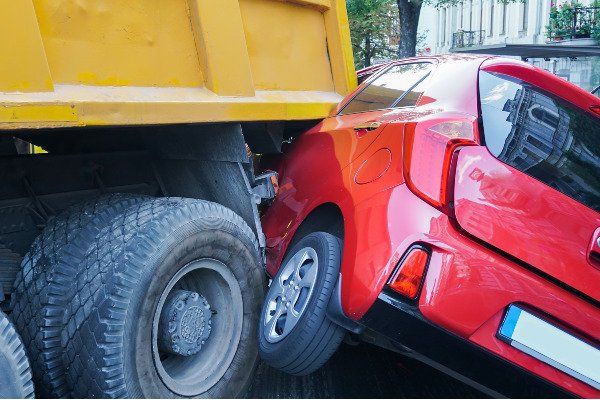
When people think of serious truck crashes, they often picture high-speed collisions on highways. But many devastating incidents happen at much lower speeds, often in parking lots, construction zones, and loading areas. Truck reversing accidents are a serious and often overlooked danger, especially for pedestrians, workers, and other drivers near large commercial vehicles.
D’Amore Law Group has extensive experience handling these types of preventable injury cases and provides guidance on evaluating and proving liability. Understanding why truck reversing accidents occur and how to prevent them is an important step in protecting yourself and your community.
Contact us today at 503-222-6333 to discuss your case and learn how we can help you.
Key Takeaways
Large commercial trucks are essential to daily life, but they also come with unique risks. One of the most dangerous situations occurs when trucks are backing up.
Unlike smaller vehicles, commercial truck drivers operate vehicles with significant blind spots that can extend dozens of feet behind and alongside the truck. Even with mirrors, drivers may not see pedestrians, cyclists, or smaller vehicles directly behind them.
Several factors contribute to truck reversing accidents, and most involve a combination of human error, limited visibility, and environmental hazards. In cases involving improper backup, a truck crash often occurs due to:
Federal safety agencies, including the Federal Motor Carrier Safety Administration (FMCSA) and the Occupational Safety and Health Administration (OSHA), identify backing up without proper precautions, such as a designated spotter, as a common source of preventable truck incidents.

There is an elevated risk of truck reversing accidents, particularly in non-highway environments such as loading areas and work zones. They are more likely in areas where visibility is limited, and activity is high, including:
These environments often involve pedestrian safety risks, especially when people are unaware that a truck is backing up.
Preventing truck reversing accidents requires a combination of proper training, technology, and clear procedures. Effective prevention strategies include:
Safety technologies such as backup cameras and reversing alarms can improve visibility, but they are not universally required on all commercial trucks and do not eliminate risk. Effective prevention still depends on proper training, communication, and adherence to established safety procedures. Human awareness remains essential.
Professional drivers receive training for specific safety protocols when reversing. These include:
Even with these precautions, errors can still occur, especially in high-pressure or fast-paced work environments.
In a truck reversing accident, determining fault often depends on whether the driver followed proper safety procedures. Liability may fall on:
Both Oregon and Washington follow negligence-based systems, meaning the responsible party is financially liable for damages caused by their actions. In Washington, comparative fault principles govern liability, which allows injured parties to recover damages even if they share some responsibility.
If an accident involving a commercial truck injured you, speaking with a truck accident lawyer for crashes caused by improper backing up can help you understand your rights and next steps.
For those in Washington, you can learn more about your legal options through D’Amore Law Group’s Vancouver team.
Recovering from a serious truck accident can be overwhelming. Medical bills, lost income, and long-term recovery needs can quickly add up. A truck accident attorney for crashes caused by improper backing up can:
In truck accident cases, injured people should consider attorneys with demonstrated trial experience. Tom D’Amore is Board-Certified in Truck Accident Law by the National Board of Trial Advocacy, a credential that reflects advanced trial experience, rigorous peer review, and a focused trucking practice.
Fault typically lies with the driver who was reversing, especially if they failed to ensure the area was clear. However, liability can also extend to employers or site managers depending on the circumstances.
They often occur due to limited visibility, lack of spotters, poor communication, and failure to follow safety protocols.
They are more common than many realize, particularly in work zones and delivery areas where trucks frequently maneuver in tight spaces.
The most frequent causes include blind spots, inadequate training, missing safety equipment, and failure to use a spotter.
Drivers should use spotters, check all mirrors and cameras, move slowly, and follow established safety procedures at all times.
Important tools include backup cameras, reversing alarms, and advanced vehicle safety systems designed to improve visibility and awareness.
A spotter, also known as a banksman, is a trained individual who guides the driver while reversing. They help eliminate blind spots and significantly reduce the risk of collisions.
Truck reversing accidents often involve complex liability and rapidly changing evidence. D’Amore Law Group brings more than 30 years of legal experience and applies a trial-focused, evidence-driven approach to identify responsible parties and pursue accountability through settlement or verdict.
If you or a loved one has been injured in a truck reversing accident, understanding your rights is the first step toward recovery. Contact D’Amore Law Group to discuss your legal options after a truck reversing accident.
Legal References Used to Inform This Page
To ensure the accuracy and clarity of this page, we referenced official legal resources during the content development process: