After a serious crash with a commercial truck, one of the first questions injured people ask is: Who can I hold responsible? Understanding who is liable in a Tacoma truck accident matters because trucking crashes rarely result from a single mistake or person. They often involve multiple companies, overlapping insurance policies, and federal and Washington state regulations that don’t apply to ordinary car accidents.
If you or someone you love has been hurt, knowing how liability works can help you protect your health, your finances, and your future.
Contact us today at 503-222-6333 to discuss your case and learn how we can help you.
Key Takeaways
- Truck accident liability in Tacoma is more complex than a standard car crash because it can involve the driver, trucking company, broker, cargo loader, and multiple insurance carriers simultaneously.
- Washington follows a comparative negligence system, meaning multiple parties can share fault and you may still recover compensation even if you bear some responsibility for the crash.
- Independent contractor labels do not automatically protect trucking companies from liability — federal FMCSA regulations often hold carriers responsible for drivers operating under their authority regardless of classification.
- Improperly loaded cargo can shift liability to warehouse operators, loading dock companies, or freight handlers when unsecured loads contribute to rollovers, jackknifes, or loss of control.
Why Truck Accident Liability Is More Complicated Than Car Accidents
Truck crashes tend to be more severe due to the size and weight of commercial vehicles. Large trucks can weigh up to 80,000 pounds, making even low-speed collisions devastating.
Unlike typical auto crashes, truck accident liability in Tacoma may involve:
That complexity is exactly why identifying every responsible party is critical.
Who Is Liable in a Tacoma Truck Accident? Key Parties to Know
Determining who is liable in a Tacoma truck accident starts with understanding each party’s role in putting that truck on the road. It’s also important to note that Washington follows a comparative negligence system. That means multiple parties can share fault, and you can still recover compensation even if you were partially responsible, as long as others were also negligent.
The Truck Driver
Truck drivers can be held personally responsible when their negligence causes a crash, including:
- Speeding or aggressive driving,
- Distracted or impaired driving,
- Violating hours-of-service rules, or
- Failing to inspect or maintain the vehicle.
Driver negligence is often the starting point, but rarely the end, of a trucking case.
The Trucking Company
In many cases, the trucking company shares or carries the bulk of liability. Under Washington law and federal trucking regulations, employers can be responsible for the actions of drivers operating within the scope of their job.
Examples of trucking company negligence in WA include:
- Failing to properly train or supervise drivers,
- Encouraging unsafe schedules that violate rest rules,
- Ignoring maintenance or safety inspections, and
- Hiring drivers with known safety violations.
Trucking companies also carry significantly higher insurance limits than individual drivers, which can directly impact compensation.
Independent Contractors
Trucking companies often claim drivers are “independent contractors” to avoid responsibility. However, federal regulations frequently override that argument. Under FMCSA rules, carriers may still be liable for drivers operating under their authority, regardless of the driver’s classification. This is a common defense tactic, but it does not automatically shield companies from lawsuits.
Understanding when to call a truck accident lawyer in Tacoma can make the difference between preserving critical evidence and losing it before your case is ever built.
Brokers and Shippers
Truck brokers and shippers play a major role in modern freight logistics. They may be liable when they:
- Hire unsafe or unqualified carriers,
- Ignore known safety violations, or
- Pressure carriers to meet unrealistic deadlines.
This type of third-party liability trucking claim is increasingly common, especially when a broker’s decisions directly contribute to unsafe conditions.
Cargo Loaders and Freight Companies
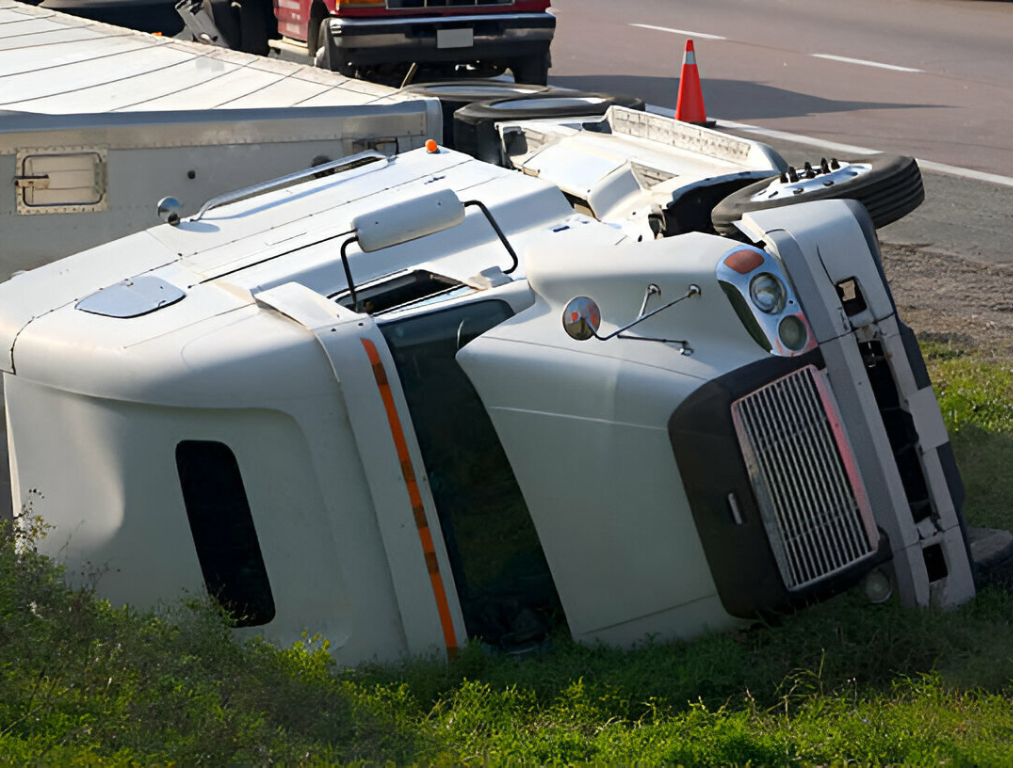
Improperly loaded cargo can cause rollovers, jackknifes, and loss-of-control crashes. Liability may extend to:
- Warehouse operators,
- Loading dock companies, or
- Freight handlers.
Under FMCSA cargo securement rules, loads must be properly balanced and secured. When they aren’t, the results can be catastrophic.
Frequently Asked Questions
Can I Sue the Trucking Company?
Yes. If the driver was working at the time of the crash or the company contributed through negligent hiring, supervision, or maintenance, the trucking company can be held liable.
What If the Driver Is an Independent Contractor?
That label alone does not prevent a claim. Federal trucking regulations often make carriers responsible for drivers operating under their authority.
Can a Broker or Shipper Be Liable?
Yes. Brokers and shippers may be responsible if their decisions put unsafe trucks or drivers on the road.
What If Cargo Was Loaded Incorrectly?
Improper loading can create liability for loaders, warehouses, or freight companies when it causes or contributes to a crash.
Talk to a Tacoma Truck Accident Attorney Who Knows How These Cases Work
At D’Amore Law Group, we know how overwhelming life can feel after a serious truck crash. We also know how aggressively trucking companies and insurers work to limit what they pay.
A knowledgeable truck accident attorney in Tacoma can investigate every layer of liability, preserve critical evidence, and stand up to powerful defendants. If you were hurt in a commercial trucking crash, you don’t have to face this alone.
Reach out to D’Amore Law Group today to speak with a truck accident lawyer in Tacoma, WA who will take the time to understand your story and fight for the accountability and compensation you deserve.
Legal References Used to Inform This Page
To ensure the accuracy and clarity of this page, we referenced official legal resources during the content development process.
- Federal trucking regulation, Link
- RCW Title 4 – Washington negligence laws, Link
- RCW 4.22.005 – Pure comparative fault, Link
- FMCSA 49 CFR §395 – Hours-of-service rules, Link
- FMCSA 49 CFR §390.5 – Carrier liability, Link
- FMCSA 49 CFR §393 – Cargo securement rules, Link
About the Author
Tom D'Amore is the founder of D'Amore Law Group and a trial attorney with over 30 years of experience representing injured people and their families across the West Coast, securing more than $325 million in recoveries. He handles cases involving
car accidents,
trucking accidents,
construction injuries,
medical malpractice, and
sexual abuse. Licensed in Oregon, Washington, and California, Tom is the only NBTA board-certified truck accident attorney in Oregon. He is a national Board of Governors member, past Executive Committee member, and past Budget and Audit Chair of the American Association for Justice, as well as past President of the Oregon Trial Lawyers Association and an Eagle member of the Washington State Association for Justice.