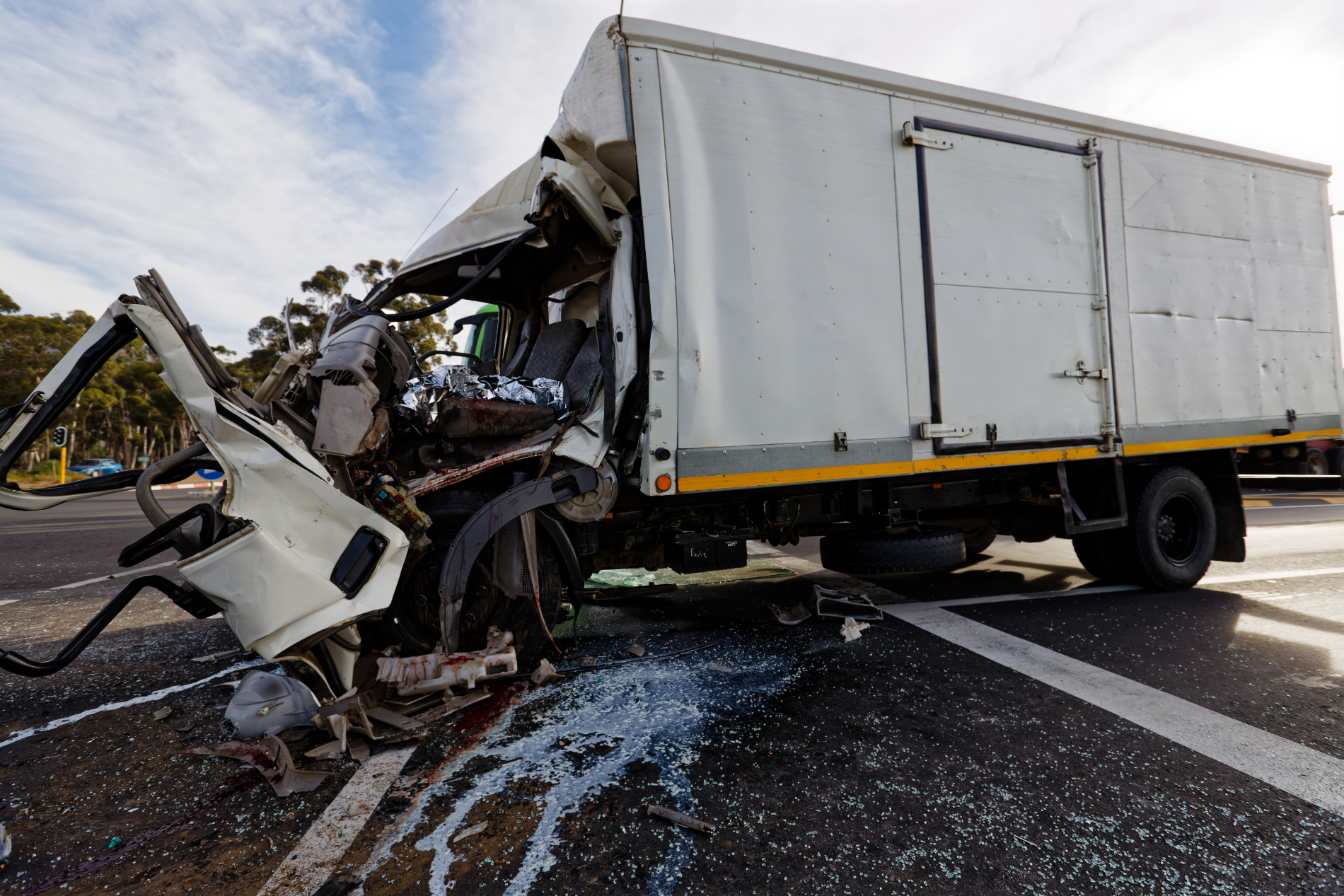
After a serious truck accident, it is hard to know what matters most. You may be dealing with injuries, vehicle damage, and calls from insurance companies, all while trying to process what just happened. A Tacoma truck accident checklist can help you focus on the information that protects your claim and preserves your options moving forward.
The goal is not perfection. The goal is documentation. What you record in the hours and days after a truck crash often shapes whether a claim supports a fair settlement or must be proven later at trial.
Contact us today at 503-222-6333 to discuss your case and learn how we can help you.
Why Documentation Matters After a Truck Accident
Truck accident claims rely heavily on evidence. Unlike ordinary car crashes, these cases often involve commercial defendants, multiple insurance policies, andFederal Motor Carrier Safety Administration regulations. Clear documentation helps establish what happened, who caused the crash, and how the injuries affected your life.
Strong records also protect you when insurers question injuries, dispute fault, or minimize long-term impact. The earlier you begin documenting, the more control you retain over your claim.
What to Photograph at the Scene and Afterward
Photos create a visual record that words cannot replace. If it is safe to do so, take pictures as soon as possible.
Important images include:
- Vehicle damage from multiple angles;
- The truck, trailer, and any identifying markings;
- Road conditions, skid marks, and debris;
- Traffic signs, signals, and lane placement; and
- Visible injuries, bruising, or cuts.
Continue photographing injuries as they heal or worsen. These images help show progression, not just the initial impact.
Should You Get Witness Statements?
Yes, when possible. Witnesses often leave quickly, and their perspectives matter. If someone saw the crash:
- Ask for their name and contact information,
- Note where they stood or drove at the time, and
- Write down what they said as soon as you can.
You do not need formal statements at the scene. Simple notes preserve details that may fade later.
What Paperwork You Should Keep
Truck accident claims generate paperwork fast. Keeping everything in one place reduces stress and prevents gaps.
Save copies of:
- Police reports and incident numbers;
- Medical records and discharge paperwork;
- Bills for treatment, prescriptions, and equipment;
- Repair estimates and towing invoices; and
- Insurance letters, emails, and claim numbers.
Avoid discarding anything, even if it seems minor. Small documents often become important later.
Tracking Medical Costs and Treatment
Medical documentation does more than show expenses. It tells the story of recovery. Keep a running record that includes:
- Appointment dates and providers,
- Diagnoses and treatment plans,
- Medications and side effects, and
- Missed work and physical limitations.
A brief journal can help. Write down how injuries affect daily life, sleep, mobility, and work. These details help explain damages beyond bills alone.
Protecting Your Claim While Evidence Is Fresh
Trucking companies often control critical evidence, such as black box data, driver logs, and onboard video. Some of this information may only exist for a limited time.
Speaking with a Tacoma truck accident lawyer early can help preserve these materials before they disappear. Legal guidance also helps manage insurance communication so that documentation supports your claim rather than undermines it.
When an Injury Claim Checklist Is Not Enough
Truck accident documentation strengthens a claim, but it does not replace legal strategy. Truck accident cases involve high stakes and aggressive insurers. Preparation often determines outcomes.
A truck accident attorney in Tacoma can review documentation, identify missing evidence, and prepare a case for settlement or, when necessary, a verdict at trial.
Frequently Asked Questions About Documenting a Truck Accident
Many people feel unsure about what to document and when. The questions below address common concerns we receive from prospective clients.
What Should I Photograph After a Crash?
Photograph vehicle damage, the scene, road conditions, and visible injuries. Continue taking photos as injuries change.
Should I Get Witness Statements?
Yes. Collect names and contact details when possible. Write down what witnesses observed while details remain fresh.
What Paperwork Should I Keep?
Keep all medical records, bills, insurance correspondence, and accident-related receipts. Store them together.
How Do I Track Medical Costs?
Save every bill and explanation of benefits. Keep notes on treatment, symptoms, and how injuries affect daily life.
Taking the Next Step After a Tacoma Truck Accident
A Tacoma truck accident checklist can help you stay organized, but it cannot protect evidence or anticipate how insurers will challenge your claim. Truck accident cases move quickly, and early decisions often shape the outcome long before negotiations or litigation begin.
D’Amore Law Group focuses on severe truck accident cases and prepares them with trial in mind from the start. Tom D’Amore is board-certified in truck accident law by theNational Board of Trial Advocacy, a distinction held by only a small number of attorneys nationwide. That certification reflects proven experience handling complex trucking cases, preserving critical evidence, and standing up to commercial insurers.
Speaking with a lawyer after the accident can help ensure that the documentation you collect today supports a fair settlement or, if necessary, a trial verdict. If you need assistance following a truck accident, contact our office to schedule a consultation.
Legal References Used to Inform This Page
To ensure the accuracy and clarity of this page, we referenced official legal and other resources during the content development process: