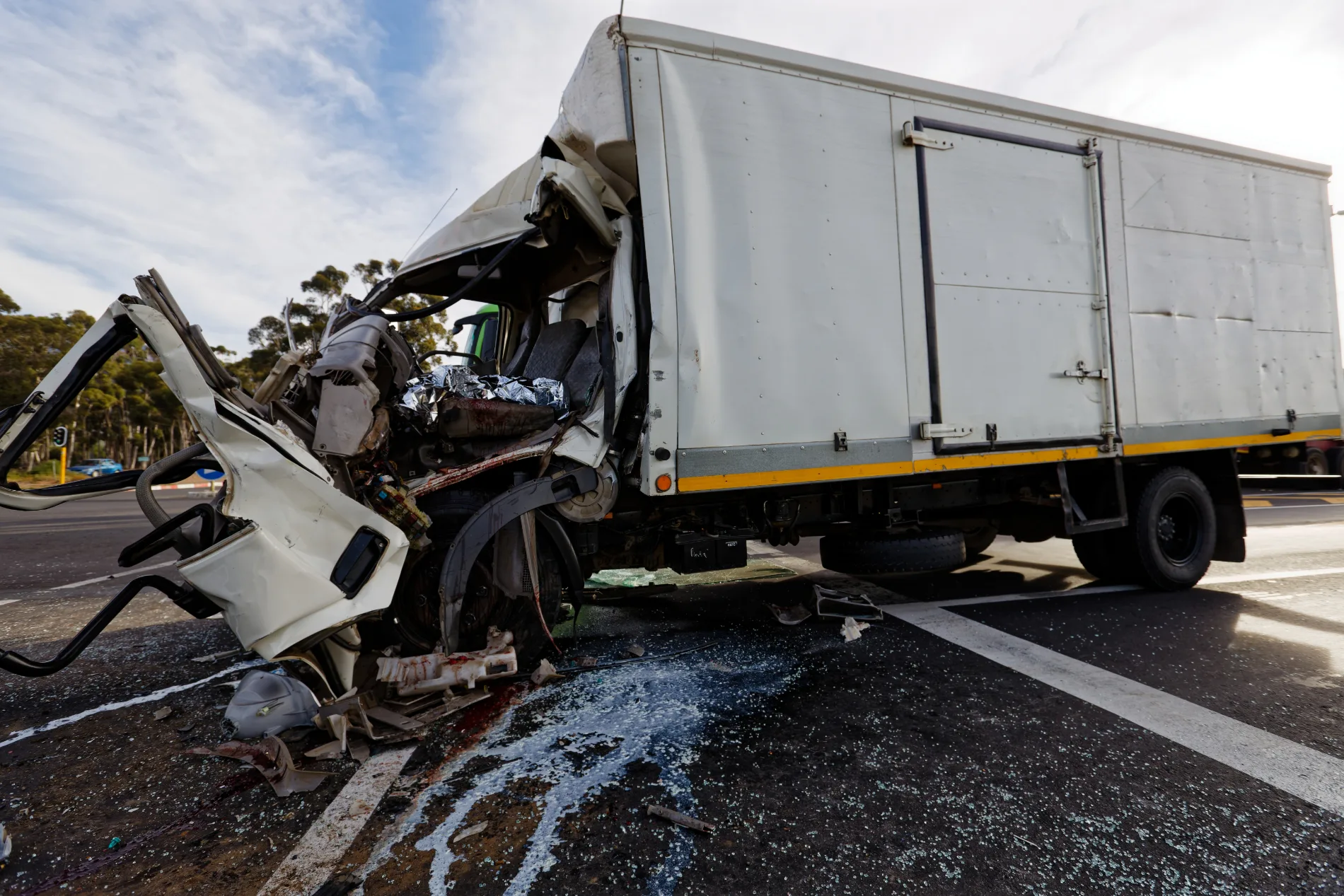
Rear-end collisions involving commercial trucks often cause far more damage than similar crashes between passenger vehicles. In rear-end truck accidents in Tacoma, the size and weight of the truck can turn a moment of inattention into a life-altering event. These crashes frequently raise questions about commercial truck negligence, common injuries, and the compensation available through a settlement or a verdict.
Understanding why these accidents occur and what compensation typically covers can help injured people make informed decisions about protecting their claims.
Contact us today at 503-222-6333 to discuss your case and learn how we can help you.
Key Takeaways
- Rear-end collisions involving commercial trucks cause far more damage than similar crashes between passenger vehicles because large trucks require significantly more stopping distance and generate far greater impact force.
- Common causes include driver fatigue, speeding, following too closely, brake failure, and company policies that pressure drivers to meet unrealistic delivery schedules.
- Liability may extend beyond the driver to the trucking company when negligent hiring, supervision, or maintenance contributed to the rear-end collision.
- Compensation in rear-end truck accident cases may cover future medical care when injuries require long-term or permanent treatment — making it critical not to accept any settlement before the full extent of harm is known.
Why Rear-End Truck Accidents Happen
Rear-end truck accidents usually occur because a commercial driver or trucking company failed to account for stopping distance, traffic conditions, or safety requirements. Large trucks require significantly more space to slow down, especially when fully loaded.
Common causes include:
- Driver fatigue or distraction,
- Speeding or following too closely,
- Poor vehicle maintenance or brake failure, and
- Inadequate training or supervision.
In some cases, company policies or delivery schedules pressure drivers to rush, increasing the risk of a serious rear-end collision.
Who Is at Fault in a Rear-End Truck Crash?
Fault in a rear-end truck accident often falls on the truck driver, but that is not always the whole picture. Trucking companies may share responsibility when unsafe practices contribute to the crash.
Liability may involve:
- The truck driver, for negligent driving;
- The trucking company, for hiring, training, or scheduling decisions; and
- Maintenance providers, if mechanical failures played a role.
Washington law also considers comparative fault. Even if more than one party contributed to the crash, injured people may still recover compensation based on each party’s share of responsibility.
Being aware of insurance adjuster tactics after truck accidents in Tacoma can help you avoid early mistakes that give insurers grounds to reduce or deny your claim.
Common Injuries in Rear-End Truck Accidents
Rear-end impacts with commercial trucks often cause severe injuries due to the force involved. Many injuries do not fully appear until days or weeks after the crash.
Common injuries include:
- Neck and back injuries, including herniated discs;
- Traumatic brain injuries;
- Spinal cord damage; and
- Broken bones and internal injuries.
A truck rear-end crash injury often requires extended treatment and can affect work, mobility, and daily life long after the accident.
What Compensation Covers After a Rear-End Truck Accident
Compensation in rear-end truck accident cases reflects both financial losses and the broader impact of injuries. Depending on the facts, recovery may come through a negotiated settlement or a trial verdict.
Compensation may cover:
- Medical expenses, including future treatment;
- Lost income and reduced earning capacity;
- Pain, suffering, and loss of quality of life; and
- Property damage.
In serious cases, full compensation requires careful documentation and a clear presentation of long-term needs.
When Multiple Vehicles Are Involved
Rear-end truck accidents often trigger chain-reaction crashes involving multiple vehicles. These cases require careful investigation to determine how the collision unfolded and who contributed to each impact.
Multiple-vehicle cases may involve:
- Several injured drivers and passengers,
- Conflicting insurance coverage, and
- Disputes over sequence and fault.
Early legal involvement helps preserve evidence and clarify responsibility before records disappear or narratives harden.
Why Rear-End Truck Cases Require Trial-Ready Preparation
Trucking companies and their insurers aggressively defend rear-end claims. They often argue sudden stops, traffic conditions, or shared fault to reduce exposure.
Trial-ready preparation changes that dynamic. When a case is built with litigation in mind, insurers know they face real risk. That leverage often leads to more meaningful settlement discussions and stronger outcomes when cases proceed to a verdict.
Speaking with a Tacoma truck accident lawyer early helps ensure that evidence, expert analysis, and documentation of damages support the full value of the claim.
Frequently Asked Questions About Rear-End Truck Accidents in Tacoma
Rear-end truck crashes raise many practical concerns. The questions below address common issues.
Who Is at Fault in a Rear-End Truck Crash?
The truck driver is often at fault, but liability may extend to the trucking company or others involved in maintenance or supervision.
What Injuries Are Common?
Neck, back, and brain injuries are common, along with fractures and internal injuries that require ongoing care.
Can I Recover for Future Medical Care?
Yes. Compensation may include the cost of future treatment when injuries require long-term or permanent care.
What If Multiple Vehicles Were Involved?
You may still recover compensation. Investigations determine how fault is divided among drivers and companies.
Choosing the Right Legal Guidance After a Rear-End Truck Accident
Rear-end truck accidents involve high stakes, complex liability, and aggressive insurers, which is why experience and preparation matter.
D’Amore Law Group focuses on serious truck accident cases and prepares them for trial from the start. Tom D’Amore is board-certified in truck accident law by the National Board of Trial Advocacy, a distinction held by a small number of attorneys nationwide. That certification reflects proven experience handling complex trucking cases and taking them to trial when insurers refuse accountability.
Speaking with a truck accident attorney in Tacoma can help protect your rights and position your case for a fair settlement or a favorable trial verdict. Contact us to schedule a consultation to learn more.
Legal References Used to Inform This Page
To ensure the accuracy and clarity of this page, we referenced official legal and other resources during the content development process:
About the Author
Tom D'Amore is the founder of D'Amore Law Group and a trial attorney with over 30 years of experience representing injured people and their families across the West Coast, securing more than $325 million in recoveries. He handles cases involving
car accidents,
trucking accidents,
construction injuries,
medical malpractice, and
sexual abuse. Licensed in Oregon, Washington, and California, Tom is the only NBTA board-certified truck accident attorney in Oregon. He is a national Board of Governors member, past Executive Committee member, and past Budget and Audit Chair of the American Association for Justice, as well as past President of the Oregon Trial Lawyers Association and an Eagle member of the Washington State Association for Justice.