A crash happens in seconds, but the questions that follow can linger much longer. You may still feel the impact in your body, replay the moment in your mind,...
Read more Is a Car Totaled If Airbags Deploy?
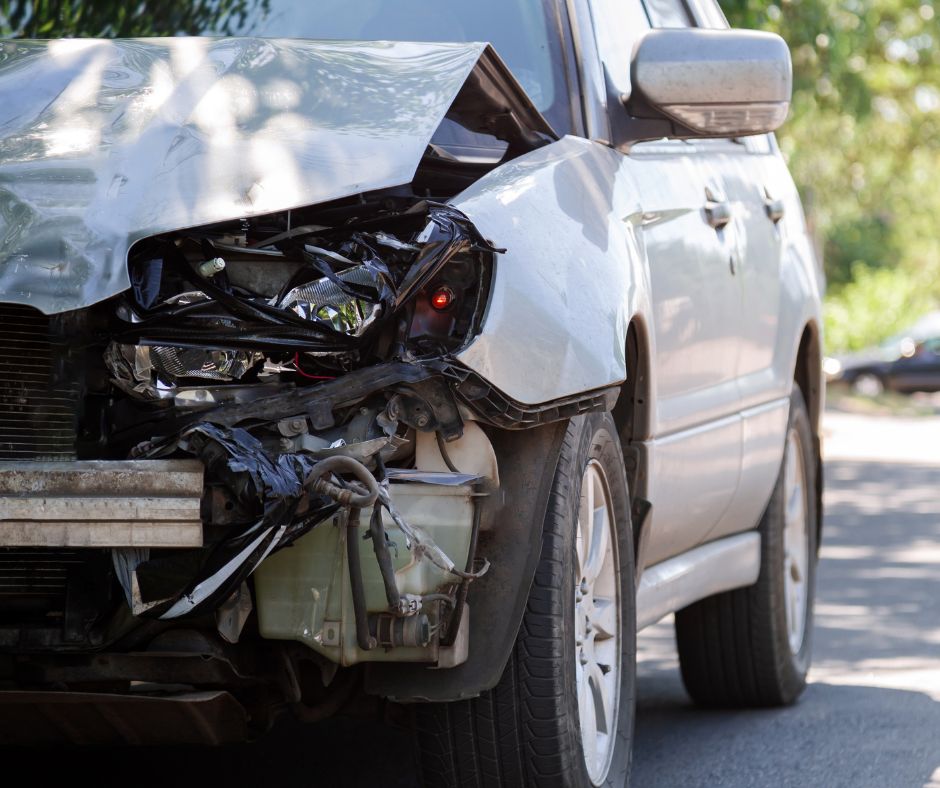
A car accident can disrupt your day in an instant. However, when you believe the crash may have been your fault, the situation often raises additional legal and financial concerns. Questions often arise quickly: What happens after a car accident that is your fault? Will I have to pay? Will my insurance go up?
What happens next is not always as straightforward as it may seem. Fault is not always absolute, and insurance determinations do not always reflect the full legal picture.
At D’Amore Law Group, we help individuals understand how fault is evaluated, how comparative fault laws apply, and whether another party may share responsibility for the accident. Understanding your responsibilities, your rights, and how Oregon and Washington laws apply allows you to make informed decisions about your next steps.
Contact us today at 503-222-6333 to discuss your case and learn how we can help you.
If you are involved in an at-fault accident, several things typically happen right away. First, your own auto insurance policy comes into play. Most drivers carry liability coverage, which covers the other party’s damages if you are responsible for the accident.
This coverage usually includes:
After the crash, you will open an insurance claim with your carrier. An insurance adjuster will investigate the accident, review the police report, and evaluate damages. In many cases, fault is determined based on evidence, statements, and applicable state traffic laws. This process is known as fault determination.
Even if you think you caused the accident, your actions right afterward matter. Start by ensuring everyone is safe and calling emergency services if needed. Seek care for any injuries, as medical expenses can add up quickly. Then:
Be mindful of what you say at the scene. Avoid admitting fault outright. While it may feel natural to apologize, legal responsibility is ultimately determined by evidence and applicable negligence standards.
One of the biggest concerns drivers have after an accident is financial responsibility.
In most cases, your insurance will cover the other driver’s medical care and vehicle repairs.
However, you may still be responsible for your deductible and any damages exceeding your policy limits.
If damages exceed your coverage, you could potentially face personal liability.
In most situations, yes. After an at-fault accident, your insurer may raise your insurance premium. According to the Insurance Information Institute, at-fault accidents are one of the most common reasons for premium increases. The exact impact depends on:
Some drivers may qualify for accident forgiveness programs, depending on their policy.
Many people ask: Should I get a lawyer for a car accident that was my fault? If you are clearly at fault and the case is straightforward, your insurance company will typically provide a defense and handle negotiations. However, speaking with an attorney can still be helpful in certain situations:
Although D’Amore Law Group does not represent drivers for defense purposes, they can help you understand whether you may still have a claim if another party contributed to the accident. It is important to understand the strength of your case and your legal options.
Not every accident is black and white. Sometimes, more than one driver shares responsibility.
Both Oregon and Washington follow comparative fault systems, but they differ slightly:
This means that even if you believe you were at fault, you may still be eligible to recover compensation if another party contributed to the accident.
The concept of “how to win an at-fault accident” can be misleading. If you are fully at fault, recovery may not be available. However, you can still protect your interests by:
If fault is shared, strong documentation and legal guidance can help ensure your percentage of responsibility is fair.
In some cases, law enforcement may issue traffic citations for breaking the law.
These may include:
Citations can impact both your driving record and your insurance rates. They may also influence how insurers evaluate fault.
Enter the date of your accident to see the filing deadline that generally applies to your situation under Oregon law.
After an accident where you are at fault, your insurance company investigates the claim, pays for covered damages, and may adjust your premium. You may also be responsible for a deductible or costs exceeding your coverage.
In most cases, yes. Insurers often raise premiums after an at-fault accident, depending on your history and the severity of the claim.
Your liability coverage typically pays for the other driver’s damages. However, you may owe out-of-pocket costs if damages exceed your policy limits.
It depends on the situation. If the fault for the accident is unclear, injuries are serious, or multiple parties are involved, speaking with an attorney can help protect your rights and clarify your options.
Fault is not always absolute. Insurance companies make fault determinations based on their own evaluation of the claim, but those findings do not always reflect the full legal picture, especially in cases involving shared responsibility. D’Amore Law Group reviews the underlying facts, identifies where liability may be shared, and builds cases with the expectation that they may need to be proven at trial, not just negotiated.
At D’Amore Law Group, we guide our clients through complex accident situations across Oregon and Washington, helping them understand where they stand and what steps to take next.
Contact D’Amore Law Group to review your situation and understand whether you have a viable claim.
Legal References Used to Inform This Page
To ensure the accuracy and clarity of this page, we referenced official legal resources during the content development process: